

The Psychology of Collecting
Confessions of a Collector: Why My “Clutter” Keeps Me Sane

by Shirley M. Mueller, M.D Marie Kondo would have opinions about my house. Cabinets of Chinese export porcelain line the walls, each piece cataloged, researched, and loved. In an age ...
Forgeries: Why We Feel Betrayed

by Shirley M. Mueller, M.D. Consider two porcelain pieces side by side. To the untrained eye, they appear indistinguishable. Yet, one is an original. The other is a copy. Ask ...
The Cluttered Mind: What Our Mess Reveals About Us

by Shirley M. Mueller, M.D The prevalence of clutter in modern domestic life is striking. Surveys suggest that between 25 and 67 percent of Americans acknowledge some degree of problematic ...
What Collecting Porcelain Taught Me About Myself: What Is Your Journey?

by Shirley M. Mueller, M.D. When people hear that I collect porcelain, they often imagine glass cabinets and fragile figurines arranged with excessive care. They assume the appeal is decorative ...
The Neuropsychology of Eco-Friendly Collectibles: Why Sustainable Objects Are Finding a Lasting Place in Today’s Collections

by Shirley M. Mueller, M.D. On a quiet Saturday morning at a regional antiques show, a longtime collector paused ata modest display table. Nestled among mid-century ceramics and vintage textiles ...
What Labubu Dolls Reveal About Modern Collecting

By Shirley M. Mueller, M.D. In recent years, Labubu dolls—quirky, sharp-toothed collectibles sold in sealed “blind boxes”—have become a global sensation. At first glance, they may look like yet another ...
A Cure for Impulse Buying

By Shirley M. Mueller, M.D. Buying something you desire can make your brain glow, literally. Certain regions fire with excitement, anticipation, and reward, turning the object in front of you ...
Curating the Unexpected: The Joy of Flawed Chinese Export Porcelain

by Shirley M. Mueller, M.D. “Look at me,” the large, not-to-be-missed porcelain cried out. And I did. It was not unlike the way cats meow at me in an animal ...
Why Mid-Century Modern Captured America
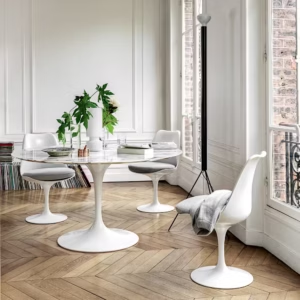
By Shirley M. Mueller, M.D. In the mid-1950s, the United States experienced the emergence of a design movement that would forever shape our visual vocabulary: mid-century modern. Characterized by clean ...
Estate Sales – From Treasure to Trouble: What Happens When Heirs Must Sell Your Collection

by Shirley M Mueller, MD In a nutshell: Though many collectors try to de-access their collections before death, this often does not happen. If sold at an estate sale handled ...
How Nature Reboots the Brain

by Shirley M. Mueller, M.D. In modern life, with its high-speed internet, AI exposure, and stress-ridden workplaces, we rarely take the time to relax. But what if the antidote to ...
How Creativity Drives Desire: Exploring the Neural Mechanisms of Creativity and How they Relate to Collecting

by Shirley M. Mueller, M.D. Creativity is not just for artists—it’s present in solving problems, making jokes, or even collecting objects. The process of collecting activates a variety of brain ...
A Museum of the Mind: Dataland

By Shirley M. Mueller, M.D. In late 2025, an unprecedented art center will open in Los Angeles: Dataland, the world’s first museum dedicated to AI-generated art. Turkish-American artist Refik Anadol ...
Vinyl Records and the Meaning of Music Memorabilia: Identity, Beauty, and Belonging

By Shirley M. Mueller, M.D. Music memorabilia—especially vinyl records—serves as more than a nostalgic nod to the past. For many collectors, it is an intricate, deeply personal, and socially meaningful ...
A Human Brain Turned to Glass

By Shirley M. Mueller, M.D. As a collector, I am always looking for the next best thing. The thought of it delights my brain even more than having it. That ...
Adult Doll Collecting: A Therapeutic Obsession

by Shirley M. Mueller, M.D. Elizabeth Kraft Taylor, author of Three Jews Walked into a Shopping Center, recalls her infatuation with dolls. “It started when I was about 30 years ...
Navigating the Heartache of Deaccession

By Shirley M. Mueller, M.D. January is an important sale month at many auction houses. Once again, I’m in the game. The last time this happened, I was a nervous ...
The Gift of You: How Reflecting Your Own Identity Creates Closer Bonds

By Shirley M. Mueller, MD The study “Give a Piece of You: Gifts That Reflect Givers Promote Closeness” challenged my assumptions about gifting. Until I encountered this research, I thought ...
Collecting, Life Satisfaction, and Personality Traits

by Shirley M. Mueller, MD Insights from a Big Five Analysis: Mõttus et al. (2024) In a study by Mõttus et al. (2024), researchers examined de-identified data from 9,110 Dutch residents, ...
Collecting With Purpose: Completing a Set

Shirley M. Mueller, M.D. A set embodies a higher good to the collector than use or as a collectible alone. Collecting can satisfy a number of needs, from social interaction ...
Human Touch vs. Machine Precision: AI’s Impact on Art Collecting

by Shirley M. Mueller, M.D. For collectors who like art, especially sculpture, the National Sculpture Society annual meeting is the place to be September 19th-22nd, 2024. Held in Indianapolis, IN, ...
Collectors, Hoarders, and Peculiarities
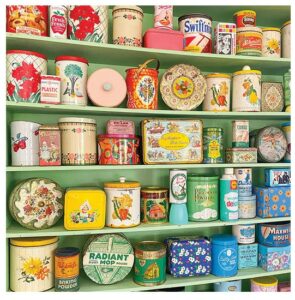
By Shirley M. Mueller, M.D Although one-third of the American population, roughly 107 million, collect one thing or another, far fewer are hoarders. They include only 2-3 percent of the entire ...
From Tangible to Digital: The Evolution of Collecting in the Modern Era

By Shirley M. Mueller, M.D. Most collectors acquire their treasures through traditional methods – purchasing from dealers or at auctions that specialize in physical items within their areas of interest ...
Personality Traits of Collectors: Who are you?

by Shirley M. Mueller, M.D. In the past, I wrote about collector personalities and their relationship to specific art preferences. For example, what can we tell about the traits of ...
Child Collectors

By Shirley M. Mueller, M.D. Beatrice Beatrice is seven years old and in first grade (she also takes advanced courses with older children throughout the day.) Though her name may ...
