
What Labubu Dolls Reveal About Modern Collecting

Sponsored
In recent years, Labubu dolls—quirky, sharp-toothed collectibles sold in sealed “blind boxes”—have become a global sensation. At first glance, they may look like yet another toy trend destined to fade. But their popularity reveals something deeper: the psychological and cultural forces that shape how we collect, how we assign value, and how we use objects to tell stories about ourselves.
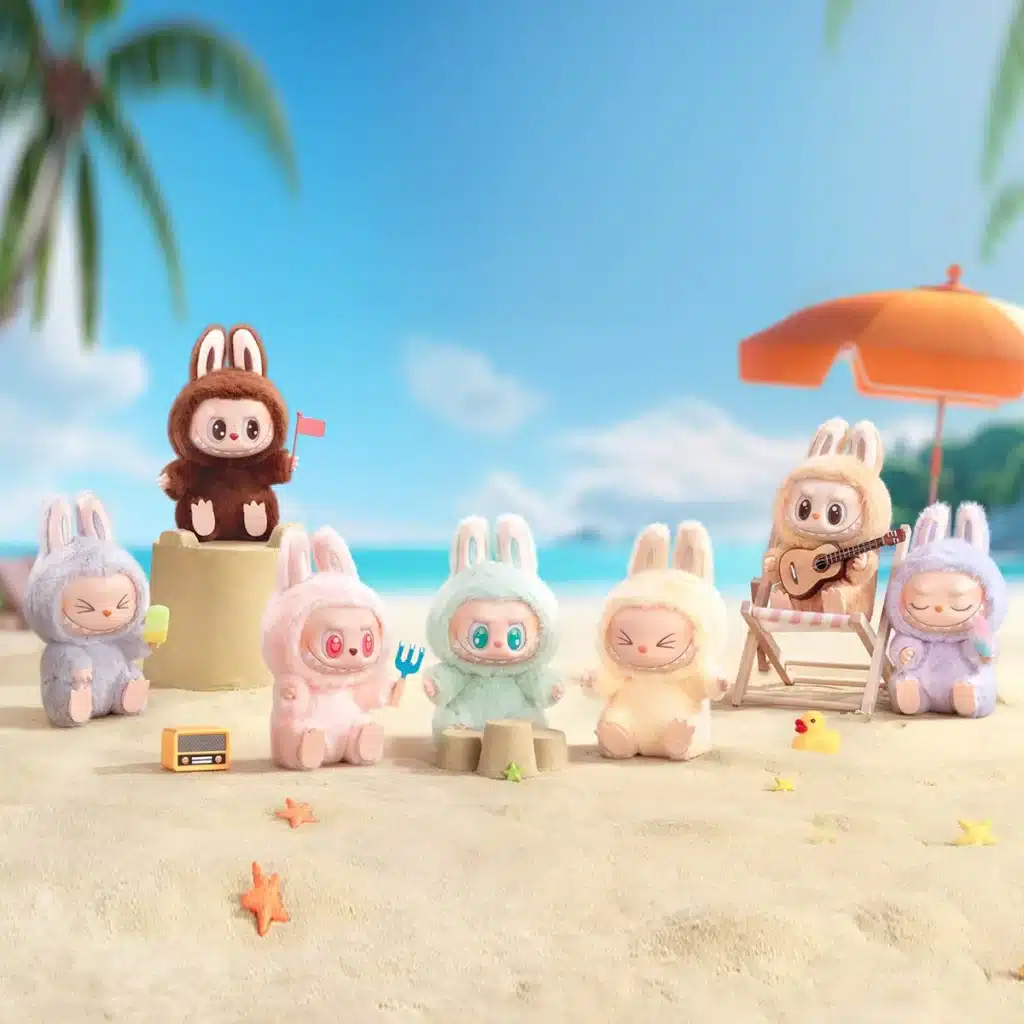
Labubu began as a character created by Hong Kong–born illustrator Kasing Lung, originally appearing in children’s picture books populated by whimsical, slightly eerie creatures. When the Chinese toy company Pop Mart licensed the character and released Labubu figures in blind-box form—meaning buyers do not know which version they will receive until the package is opened—the dolls took off almost immediately. Their aesthetic is key to their appeal. Labubu is neither traditionally cute nor overtly grotesque; instead, it occupies an uneasy middle ground, with exaggerated eyes and sharp teeth that feel mischievous rather than threatening. This blend of charm and strangeness sets Labubu apart from more conventional collectibles.
Interestingly, most Labubu collectors are not children. They are adults, largely between the ages of 18 and 35. For them, these figures are not toys but symbols—expressions of taste, nostalgia, and identity. Adult collectors often gravitate toward objects that feel emotionally
resonant rather than purely functional. Labubu’s fairy-tale origins and unsettling sweetness evoke childhood imagination while still speaking to adult sensibilities shaped by irony and design.
Two powerful psychological mechanisms help explain why Labubu dolls are so compelling.
The first is variable reward, a concept well known in behavioral psychology. Because the blind box conceals which figure is inside, opening it produces a surge of anticipation similar to gambling. This is known as a “variable reward schedule,” noting that outcomes activate dopamine pathways more strongly than guaranteed rewards do.
The pleasure is not just in owning the doll, but in the moment of discovery—the suspense, the reveal, the possibility of something rare.
The second mechanism is perceived rarity. Some Labubu figures are intentionally produced in limited numbers, while others are labeled “secret” editions. Scarcity increases desirability, and within collector communities, owning a rare figure conveys status. Rarity transforms ordinary objects into symbols of distinction, especially when scarcity is combined with social visibility through online sharing and display.

Sponsored
Together, these mechanisms can turn casual interest into deep attachment. Each purchase holds the promise of surprise and reward, encouraging repetition and emotional investment.
Beyond psychology, Labubu collecting also functions on a social and symbolic level. Collecting becomes ritualized: the careful opening of the box, the placement of the figure on a shelf, and the photographing and sharing of the result. It becomes a form of self-expression, allowing collectors to signal humor, taste, or aesthetic allegiance. It also fosters community, as online groups and in-person events form around shared enthusiasm.
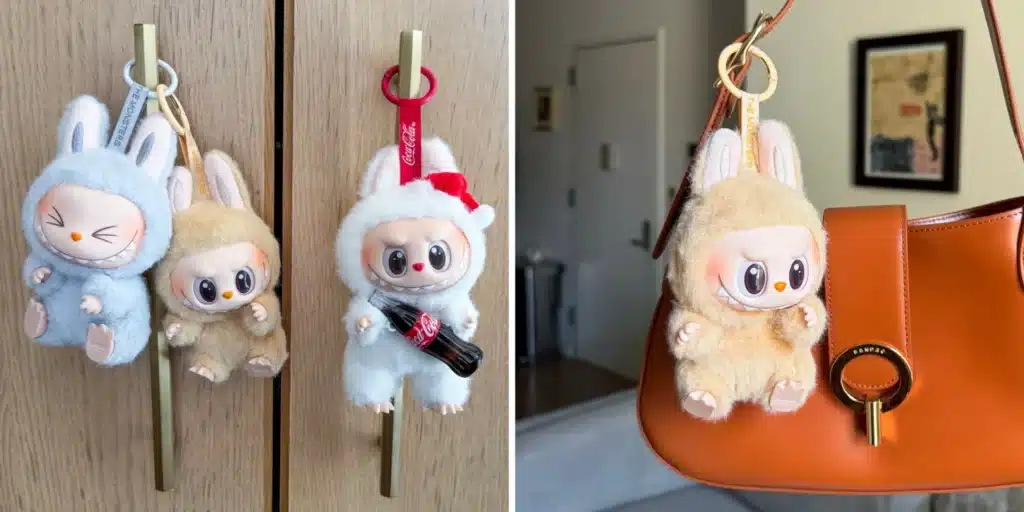
For many people, collecting is not just about ownership. It is about storytelling, display, and belonging. I was surprised to discover this firsthand. My own entry into the Labubu craze came unexpectedly, when my granddaughter gave me one for Christmas. It is lime green and fearsome-looking, its sharp teeth giving it a slightly menacing grin. Now the little monster hangs as an ornament on my purse. I do not wear it often, but when I do, it draws comments—curiosity, laughter, recognition. In that small way, Labubu becomes a social object, a
conversation starter that bridges generations.
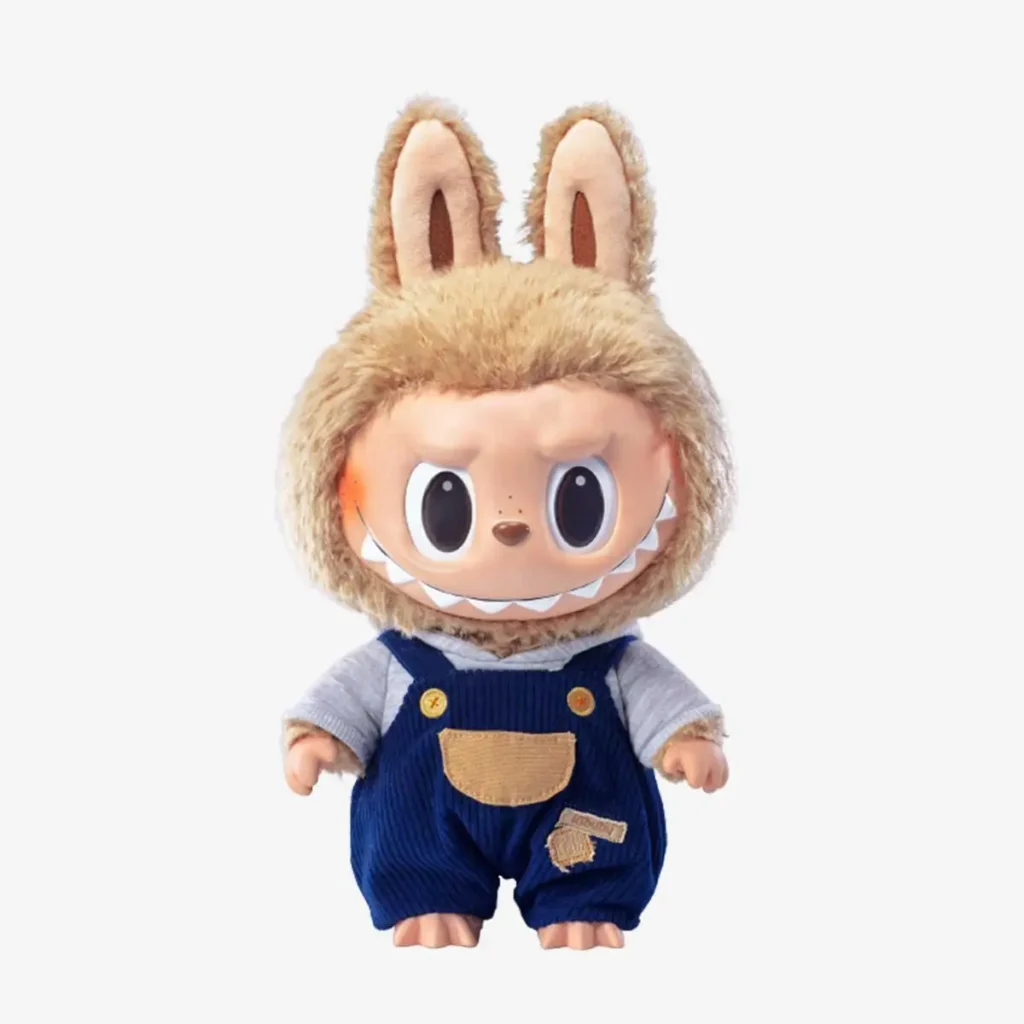
The financial side of Labubu collecting further complicates its meaning. Most blind-box figures are relatively affordable, making entry into the hobby easy. But rare, oversized, or collaborative pieces can command extraordinary prices. In one widely cited example, a four-foot “mega” Labubu sold at auction for approximately $170,000, placing it in the realm of serious art collectibles. This leap—from toy to high-value art object—demonstrates how cultural narratives, branding, and collective desire can radically reshape value.
Ultimately, Labubu’s popularity is not just about quirky design. It reflects broader psychological needs and cultural patterns. Collecting helps shape identity, allowing individuals to curate objects that reflect who they are or who they want to be. It stimulates emotion, using
surprise and novelty to create pleasure and engagement. And it fosters connection, bringing people together through shared interests and communal rituals. These dolls fulfill the promise that collecting satisfies a desire to belong to something larger than oneself.
No discussion of Labubu would be complete without mentioning its counterfeit opposite: Lafufu. These imitation figures masquerade as authentic Labubu dolls but lack key identifying features. Genuine Labubus have nine teeth, peach-toned skin, slightly bent ears, a UV stamp on the foot, and a QR code on the tag that links directly to Pop Mart’s official website.

Counterfeit versions often display the wrong number of teeth, off-tone coloring, and noticeably inferior craftsmanship. As with all collectibles, the lesson is clear: buyer beware.
In the end, Labubu dolls show us that even small, strange objects can carry immense psychological and cultural weight. They remind us that collecting is rarely about the object alone. It is about meaning—how we find it, share it, and carry it with us, sometimes quite literally, dangling from a purse.
Shirley M. Mueller, M.D., is known for her expertise in Chinese export porcelain and neuroscience. Her unique knowledge in these two areas motivated her to explore the neuropsychological aspects of collecting, both to help herself and others as well. This guided her to write her landmark book, Inside the Head of a Collector: Neuropsychological Forces at Play. In it, she uses the new field of neuropsychology to explain the often-enigmatic behavior of collectors. Shirley is also a well-known speaker. She has shared her insights in London, Paris, Shanghai, and other major cities worldwide as well as across the United States. In these lectures, she blends art and science to unravel the mysteries of the collector’s mind.


